


The psychology behind risk-taking in gambling decisions
Understanding Risk-Taking Behavior
The psychology of risk-taking in gambling is a complex interplay of cognitive biases, emotional responses, and social influences. Individuals often perceive risk through a subjective lens, meaning that personal experiences and mental frameworks shape their decisions. For instance, some may view gambling as an opportunity for excitement, while others might see it as a dangerous activity that could lead to negative consequences. In this context, exploring options like a cryptocurrency casino can either heighten the thrill or complicate one’s perception of risk.
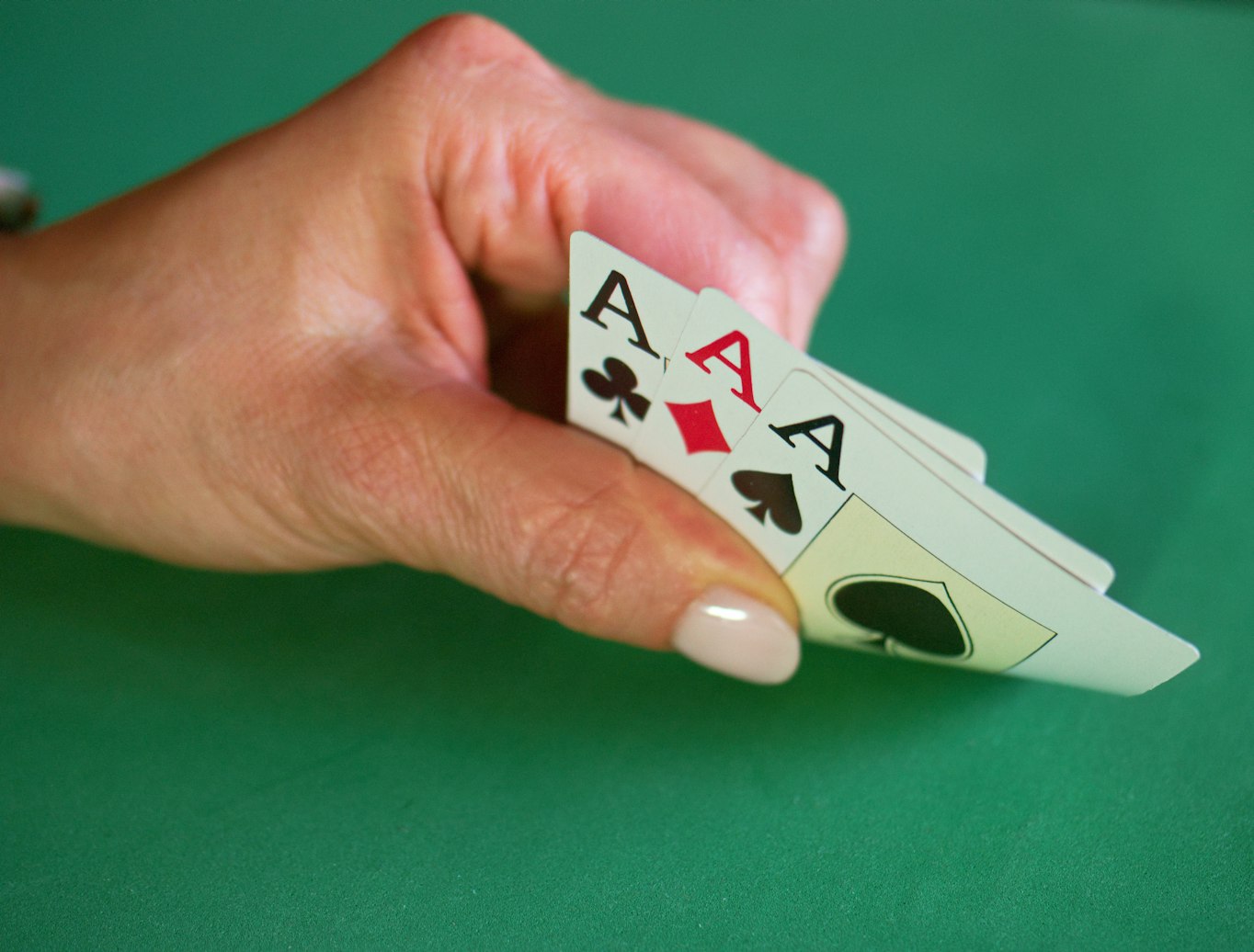
Moreover, factors such as age, gender, and personality traits can significantly influence a person’s propensity to take risks. Research suggests that younger individuals are generally more inclined to engage in risk-taking behaviors, while specific personality traits, such as thrill-seeking, can enhance the likelihood of gambling decisions. Understanding these nuances can provide valuable insights into why some individuals are drawn to the gambling world.
The Role of Emotions
Emotional states play a crucial role in decision-making, particularly in high-stakes environments like casinos. When individuals experience strong emotions—whether excitement, anxiety, or even frustration—they may make impulsive choices that deviate from rational thought. This emotional volatility can cloud judgment, making it easier to overlook the risks involved.

Furthermore, the thrill of winning can trigger a release of dopamine, a neurotransmitter associated with pleasure and reward. This biological response reinforces the behavior, leading individuals to take greater risks in pursuit of that euphoric feeling. As a result, the gambling experience becomes not just about the potential financial gain, but also about the emotional highs that accompany it.
Cognitive Biases and Fallacies
Cognitive biases heavily influence how gamblers assess risks and make decisions. One common fallacy is the “gambler’s fallacy,” where individuals believe that past outcomes will affect future results. For example, a player may think that a losing streak means they are “due” for a win, prompting them to wager more than they originally intended.
Additionally, confirmation bias can lead gamblers to seek information that supports their beliefs while ignoring data that contradicts them. This can create a distorted view of reality, making it harder for individuals to recognize when they should stop gambling or reassess their strategies. Understanding these cognitive traps can help individuals develop healthier attitudes toward gambling.
Social Influences and Environment
The social environment in which gambling occurs significantly affects risk-taking behavior. In group settings, individuals may feel pressured to gamble more aggressively, driven by social dynamics and the desire to fit in. This phenomenon can amplify risk-taking tendencies, as people may feel emboldened by the presence of peers.
Moreover, casinos are designed to create an engaging atmosphere that encourages prolonged play and risk-taking. Elements such as bright lights, sounds, and the availability of complimentary drinks are strategically employed to enhance the experience and keep players at the tables longer. Recognizing the impact of social and environmental factors can help gamblers make more informed decisions.

ColbertNewsHub: Your Source for Insights
ColbertNewsHub.com is dedicated to providing a comprehensive look at various topics, including the psychological aspects of gambling. Our goal is to keep readers informed about the latest trends and insights in entertainment and pop culture, all while maintaining a focus on engaging and informative content.
As we explore the intricacies of risk-taking in gambling, we aim to equip our audience with the knowledge they need to make better decisions, whether for entertainment or personal growth. Stay tuned for more articles that delve into the fascinating world of psychology and beyond.
